

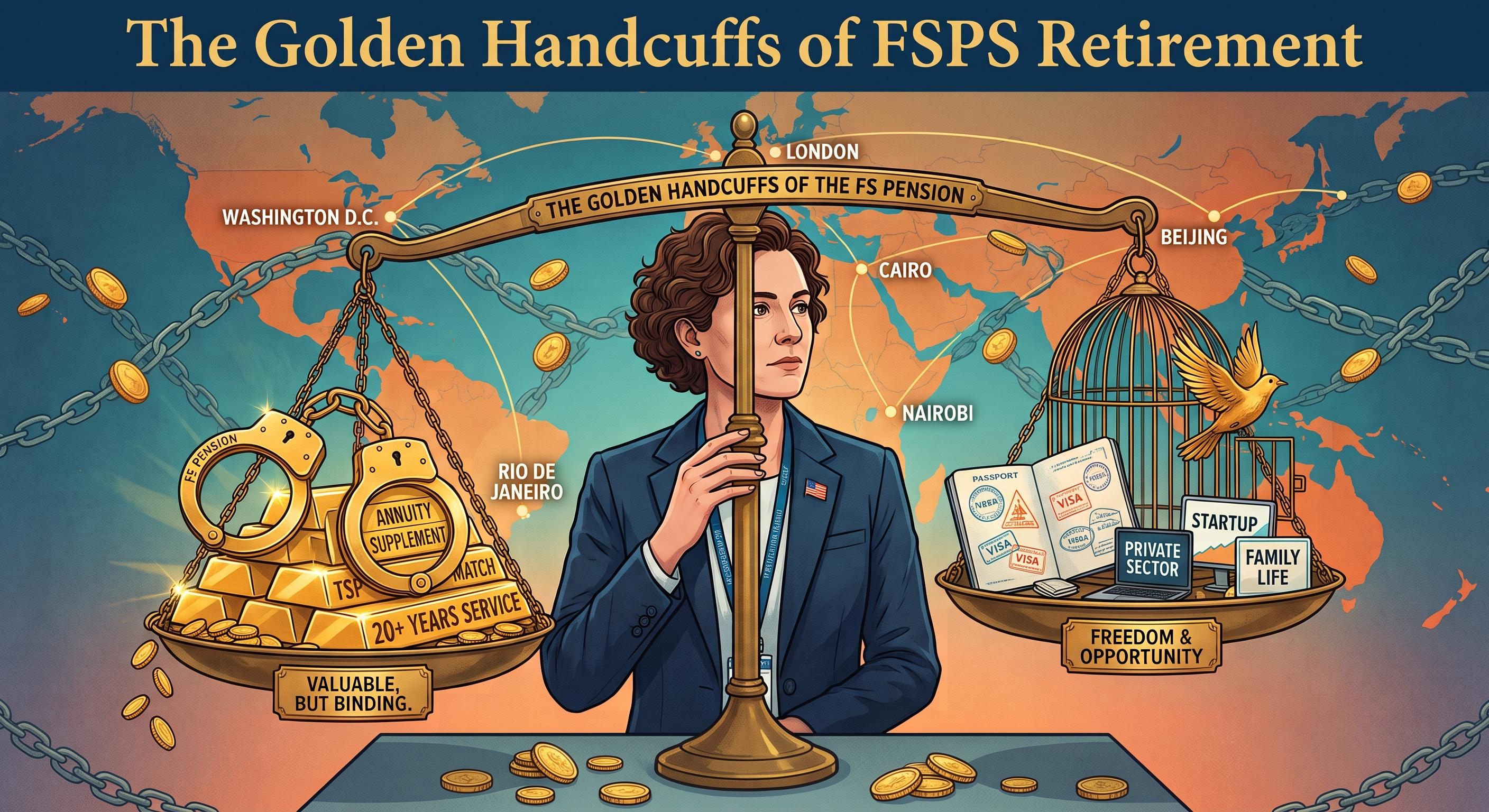
The Golden Handcuffs of the FSPS: What Leaving the Foreign Service Early Really Costs
The FSPS is deliberately back-loaded — and the difference between leaving at year 15 and year 20 isn't five-twentieths of a pension, it's most of the pension. Here's what a voluntary early departure really forfeits: the 1.7% multiplier, the annuity supplement, and retiree FEHB — and how to run the break-even math against a private-sector offer.
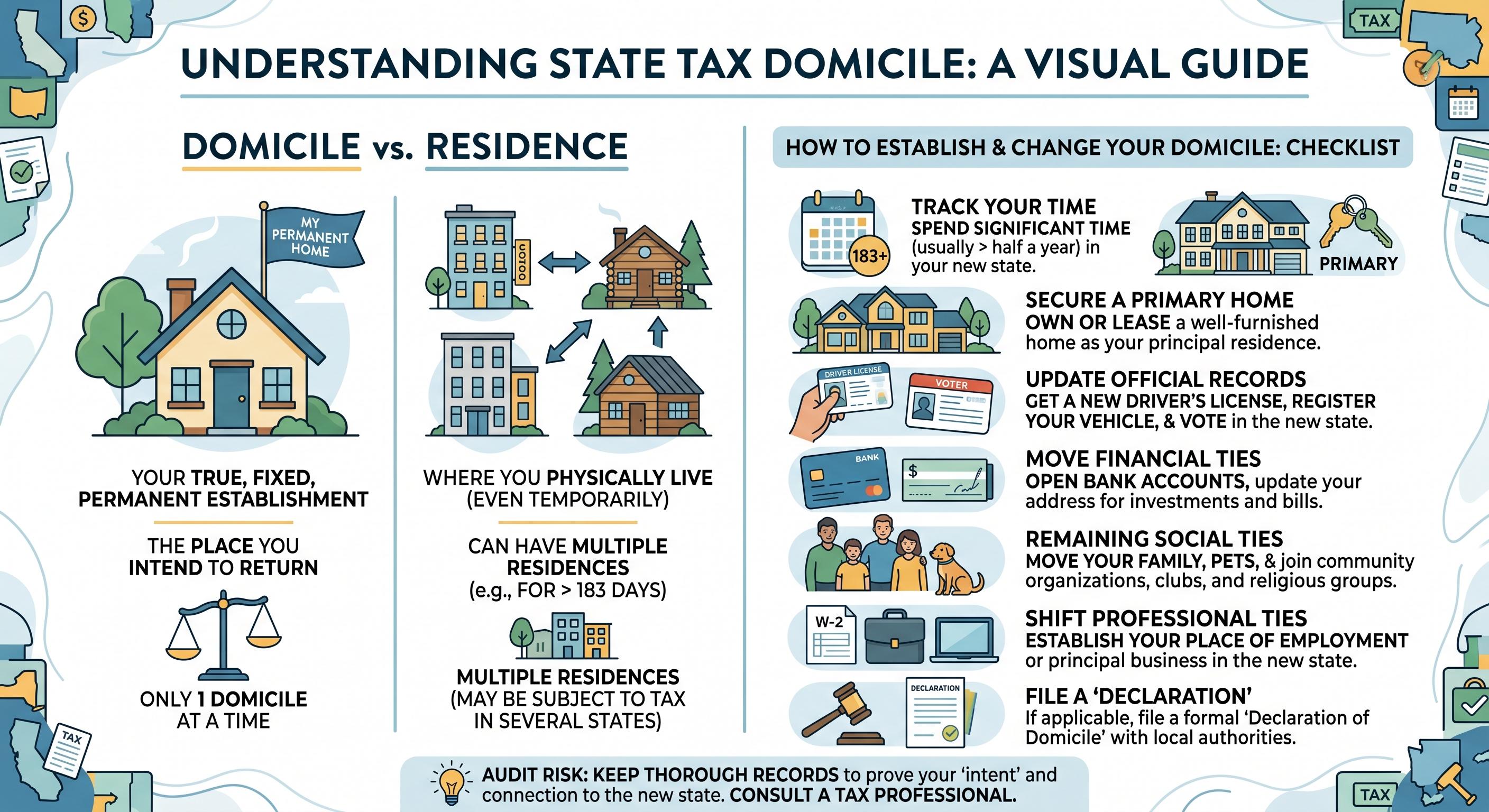
State Income Tax and the Foreign Service: Your Domicile Is a Decision, Not an Accident
You can spend three years at post without setting foot in your "home" state — and that state may still tax every dollar of your salary. Or none of it. The difference is domicile, and most people drift into it instead of choosing it.
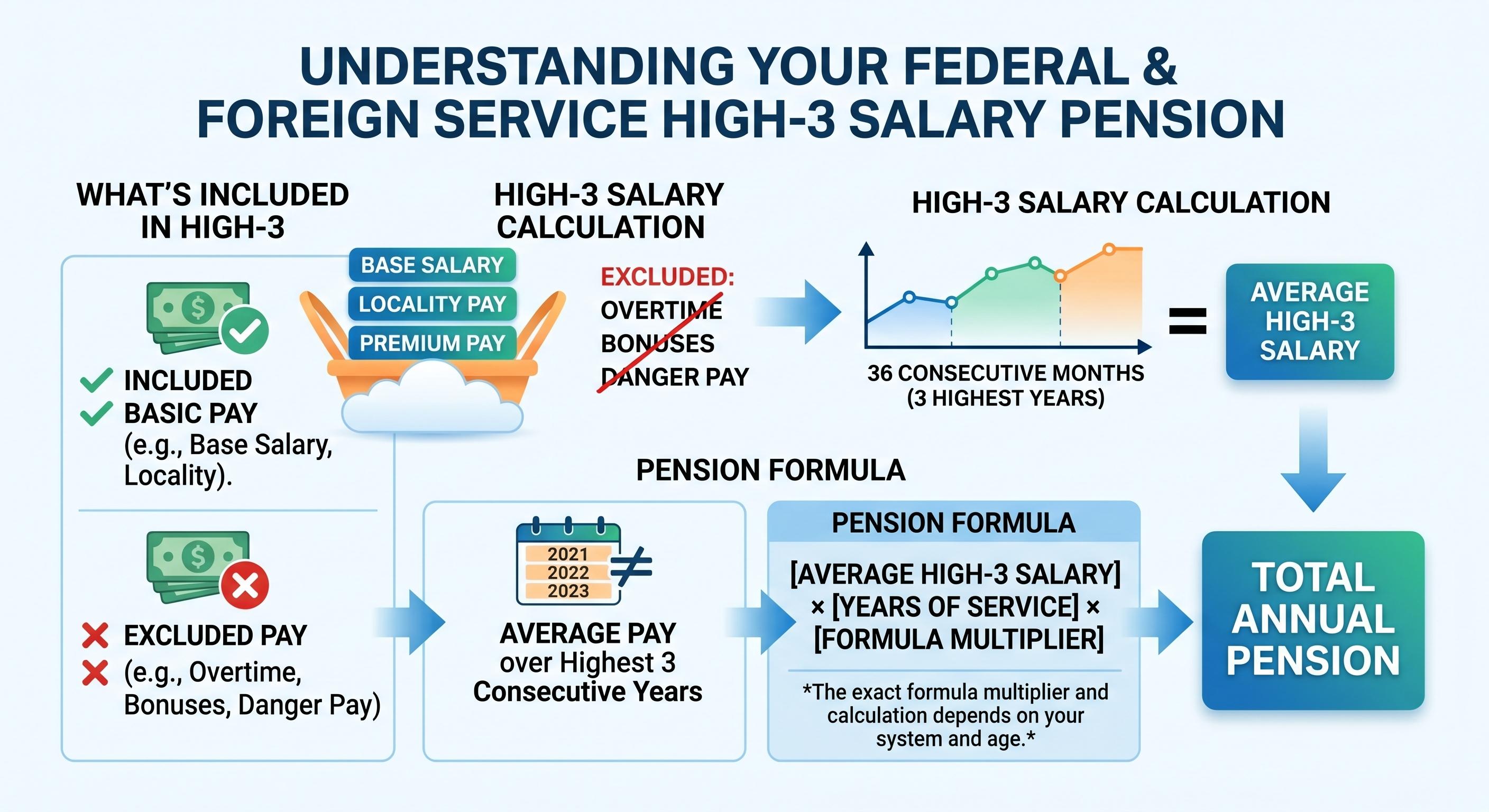
Your Hardship Posts Won't Boost Your Pension: How the FSPS High-3 Actually Works
Total compensation at a tough post can run far above base salary, so it feels like those years should count for more toward your pension. They don't. Here's the figure your FSPS annuity is actually built on.
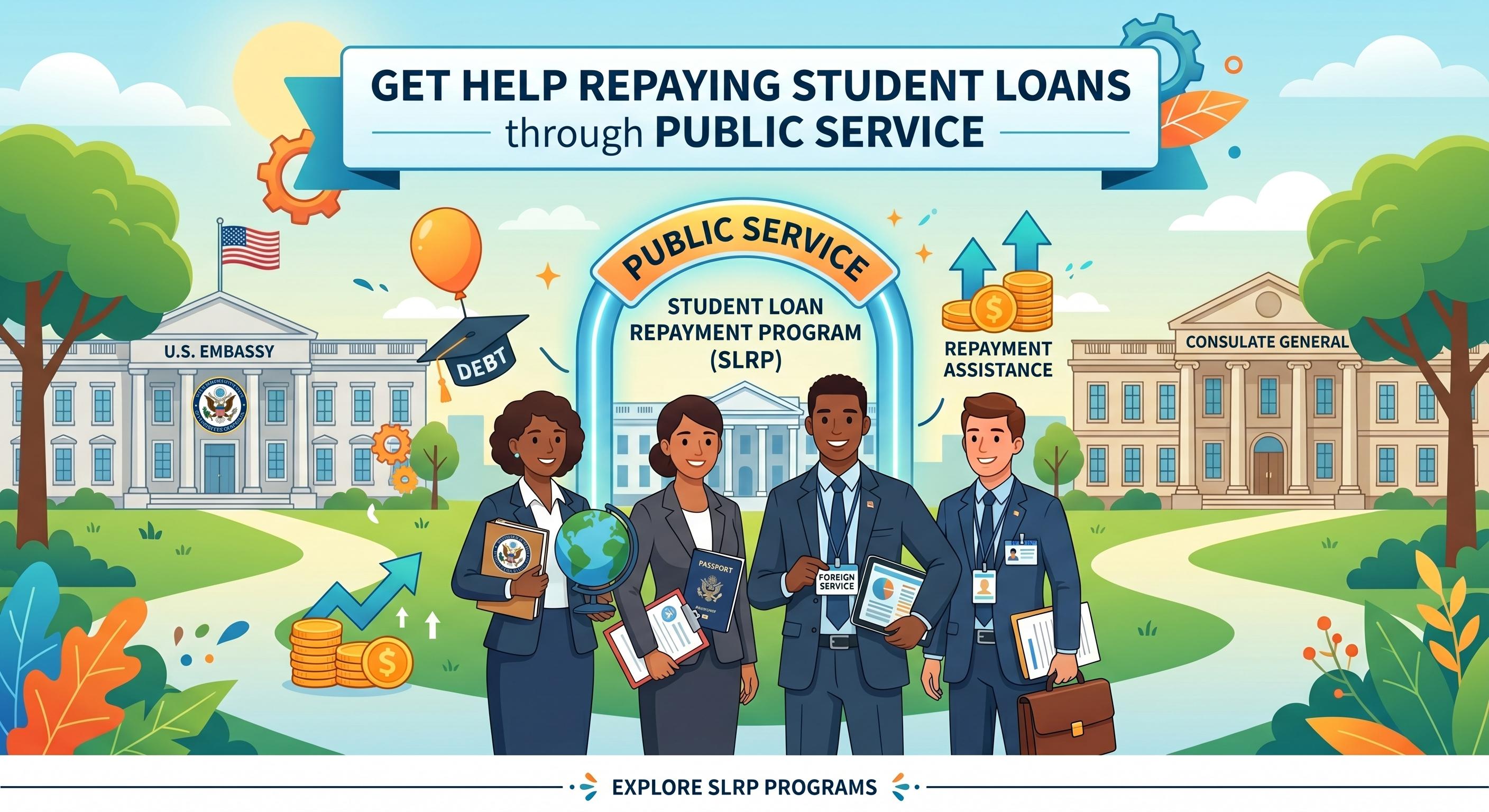
The Foreign Service Student Loan Benefit Most People at Hardship Posts Miss
If you're carrying student loans and serving at a hardship or danger-pay post, the Department may pay them down — up to $10,000 a year. It's been funded every year since 2002, and a striking number of eligible employees never apply.
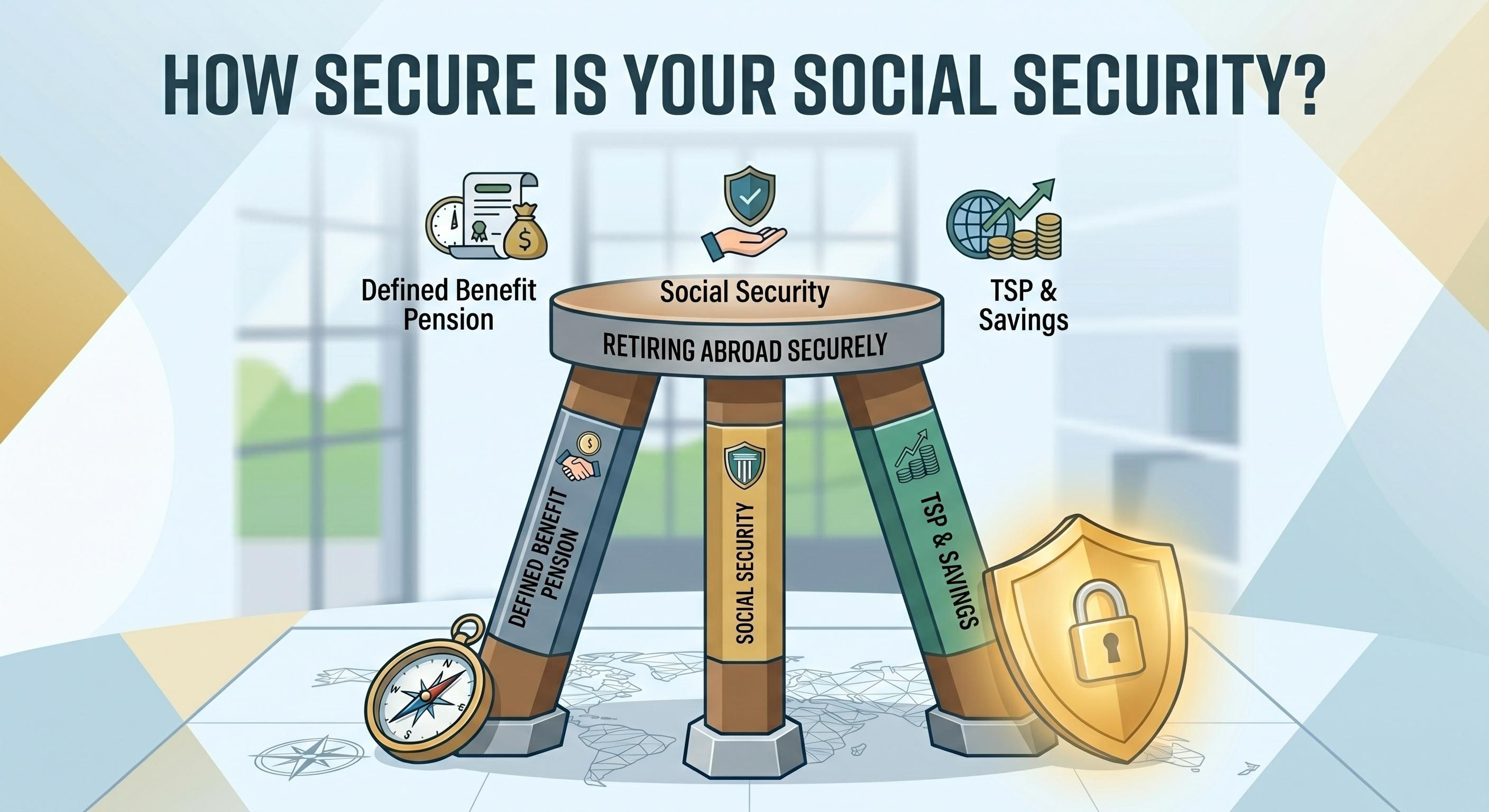
How Secure Is Your Social Security?
The new trustees report moved the trust fund depletion date to late 2032, and the headlines sound dire. Here's what depletion actually means, why the 1983 rescue matters (especially to federal employees), what's different for Foreign Service households, and the one mistake not to make in response.